Nuclear fusion cost models too optimistic to be viable, experts warn

An exploded view of the ITER nuclear-fusion facility. A human figure in orange is shown just below the image’s centre for scale. The reactor vessel is visible at the centre (with the D-shaped cross-section). | Photo Credit: DOI:10.1088/1741-4326/aa626c Researchers and investors worldwide are currently pouring billions of dollars into nuclear fusion in the hopes that … Read more

‘Cloning’ hurdle skirted to make perfect copy of quantum state

Researchers have shown a loophole in the no-cloning theorem by creating perfect copies using ideas from information theory. The protocol is illustrated here. | Photo Credit: Image created with Sonnet 4.6 Quantum physics has a rule called the no-cloning theorem that prevents you from making a perfect copy of an unknown quantum state. It has … Read more

Photobiology: speeding up enzyme reactions in microbes using light

Antaya University, Türkiye, researchers have used E. coli bacteria as a versatile factory to produce useful compounds such as insulin. | Photo Credit: Public domain We know photosynthesis is a feature of plants which absorb sunlight and use the energy to convert atmospheric CO2into glucose. While sunlight peaks in the 400-700 nm region (of wavelengths), … Read more

Does Iran have a path to the bomb?

Iran is expected to have around 500 kg of uranium enriched to 60%. U-235 is the isotope of uranium conventionally used in nuclear weapons and nuclear reactors. Enrichment is the process of increasing the quantity of U-235 in the uranium mass. The rest will be U-238, which is not a good fissile material. Whereas a … Read more

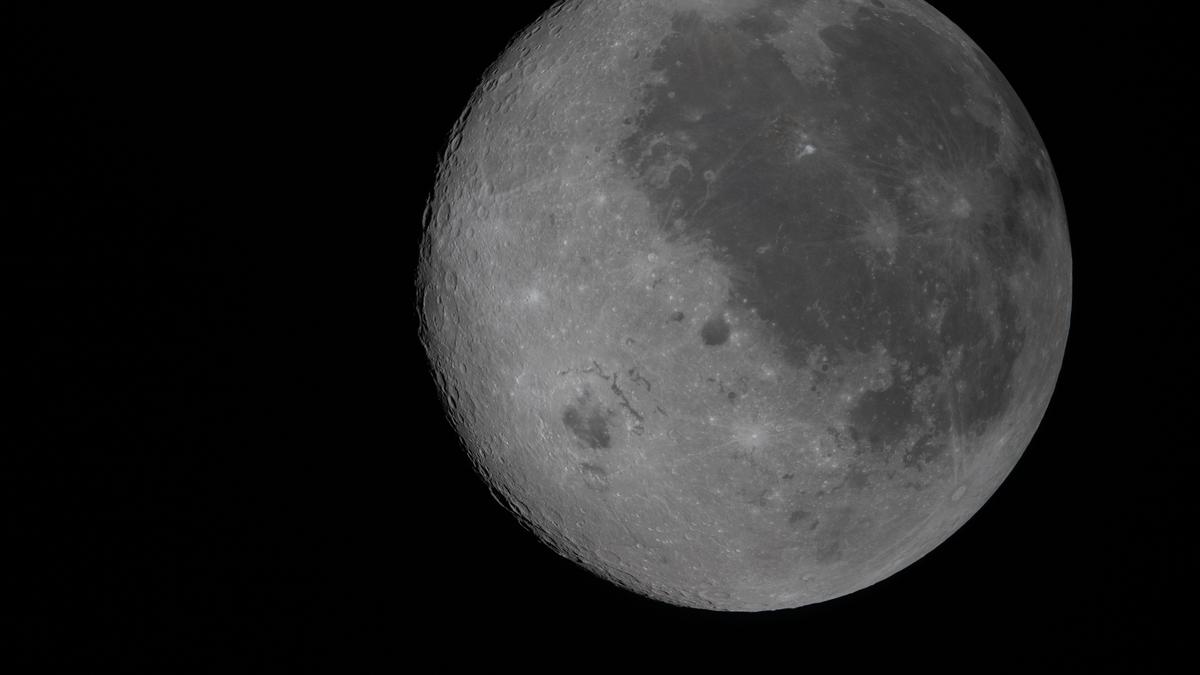
In the running: On the Artemis II launch

The sight of the giant rocket bearing the NASA Artemis II mission and its crew of four ascending into the sky in the early hours of April 2 (IST) brought cheers among onlookers on the ground and around the world. The mission has taken many years and several billion dollars to develop and brings the … Read more

Bacteria produce a torque that can drive microscopic machines

In an experiment with six pucks with narrow channels suspended in a bath of E. coli, all pucks spun clockwise. Scientists said this marks the first step towards developing ‘chiral fluids’. | Photo Credit: Grober, D., Dhar, T., Saintillan, D. et al., Nat. Phys. (2026) Escherichia coli bacteria are the workhorse of microbiology labs. These … Read more

How women voters are shaping State politics in 2026

Women voters have become a central point of discussion in elections in India in recent times. Rightly so, because parties in power roll out women-centric schemes, sometimes even direct cash transfer ones, to win their support. Opposition parties too make promises about initiating schemes for women’s welfare, if elected. These promises seem to making some impact, which … Read more

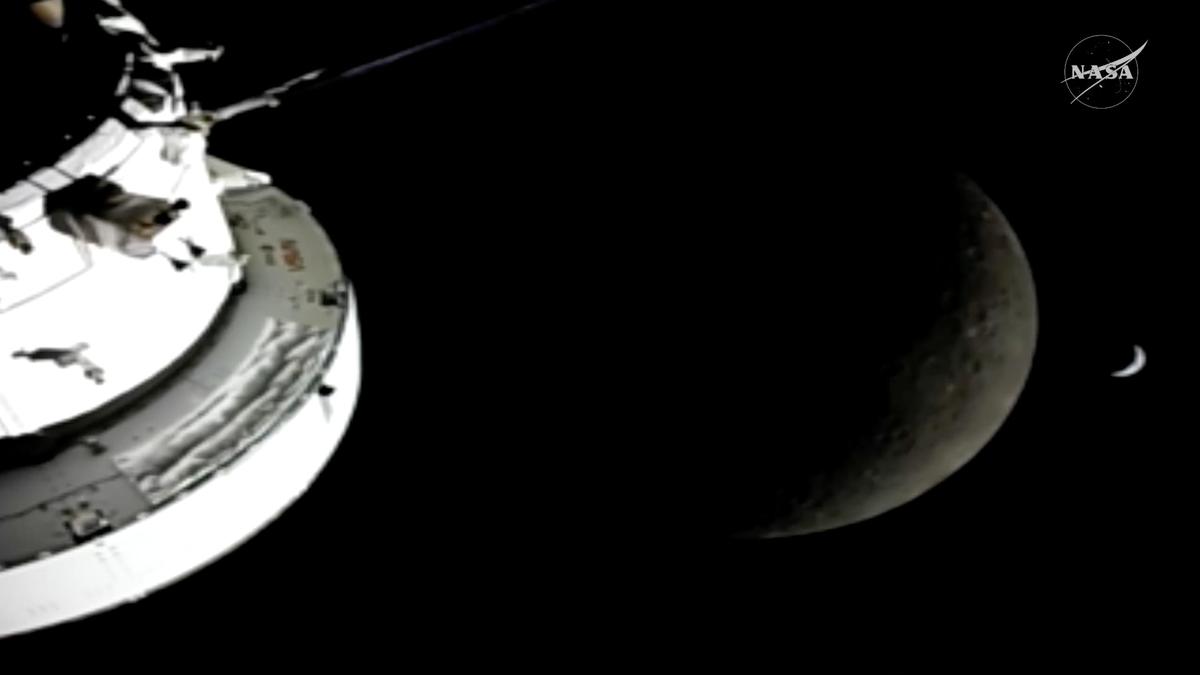
NASA’s Moon flyby mission primed for launch

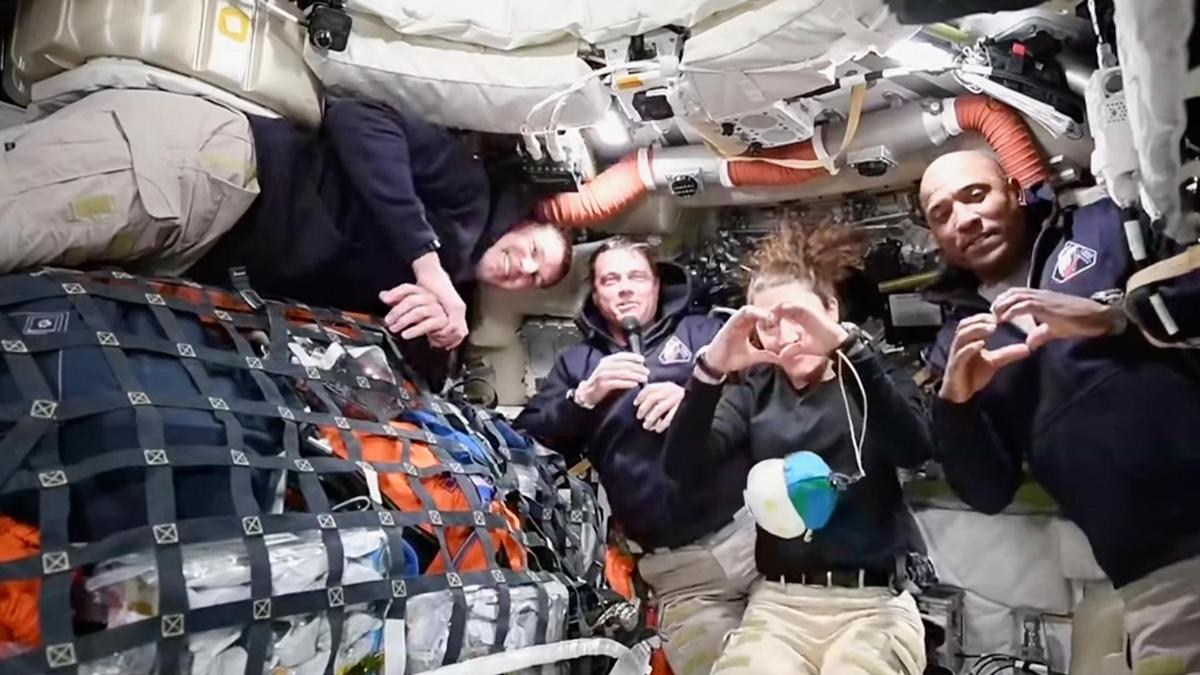
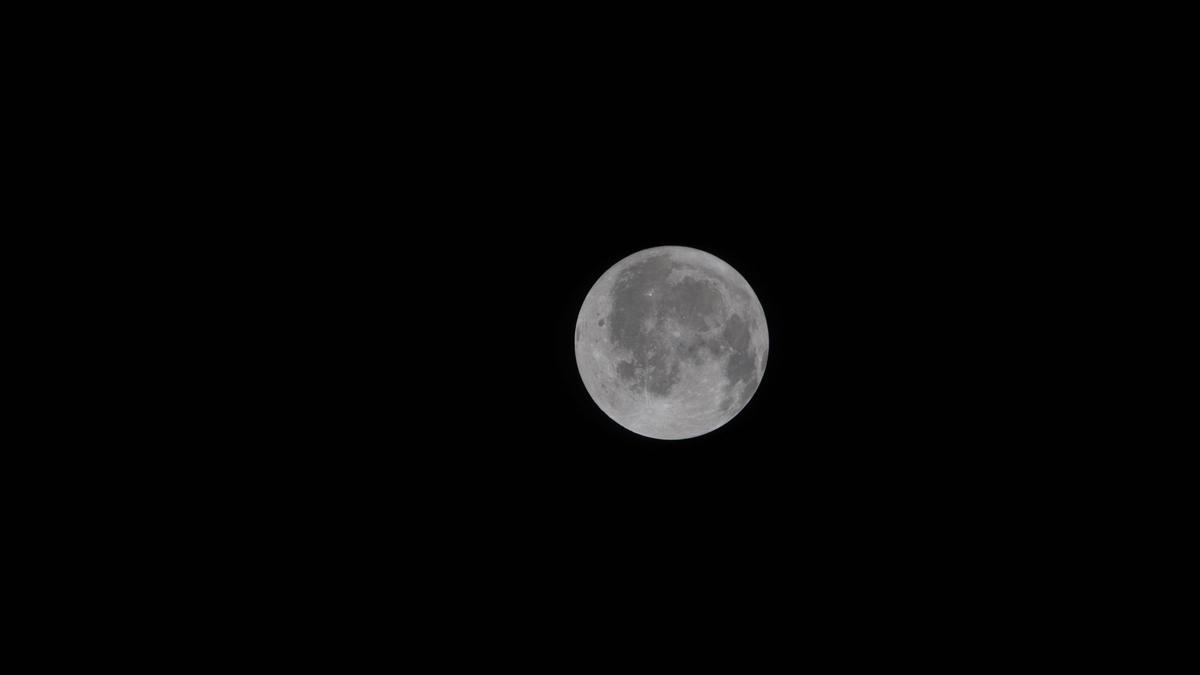
Four astronauts are set to embark Wednesday (April 1, 2026) on a trip around the Moon marking humankind’s deepest venture into space, an odyssey that aims to launch the US into a new era of interstellar exploration. The NASA mission dubbed Artemis 2 has been years in the making after facing repeated setbacks and massive … Read more

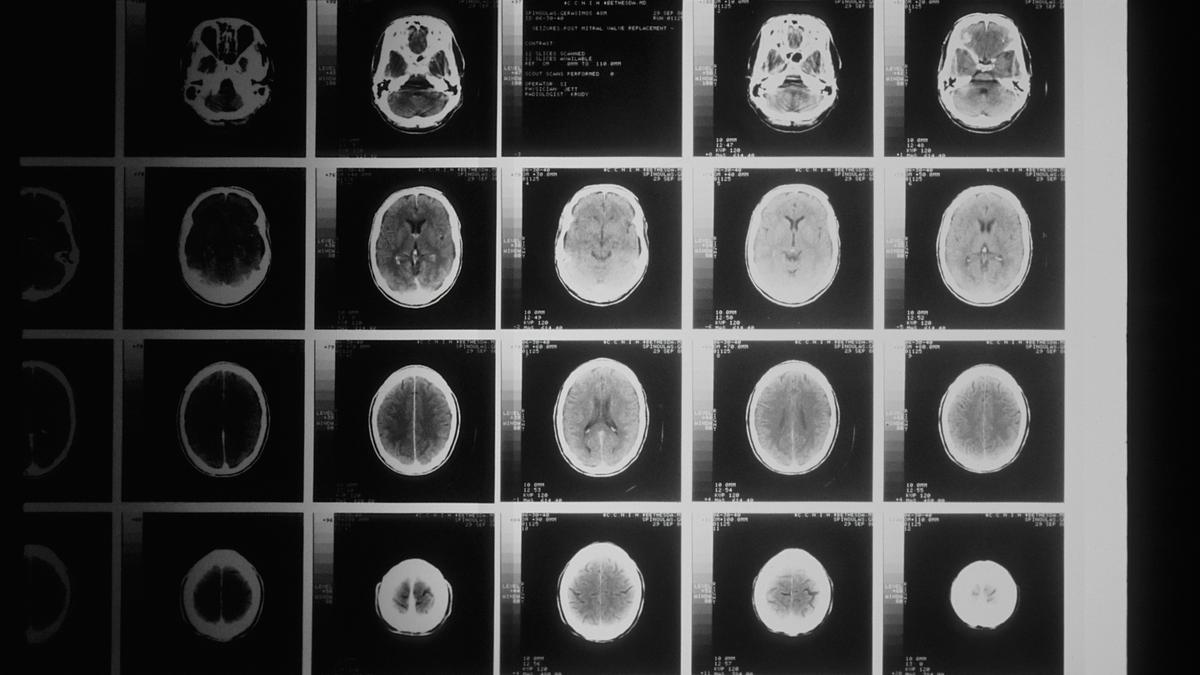
What the study of the mutant gene behind aggressive adult leukaemia can offer for treatment

Certain kinds of mutations in gene TP53, which encodes the p53 tumour suppressor protein, often dubbed the ‘guardian of the genome’, could perhaps be making acute lymphoblastic leukaemia (ALL) one of the hardest cancers to treat, new research has found. The study, led by Caner Saygin, assistant professor at the University of Chicago Medicine, was recently … Read more

Qdenga: a vaccine for dengue but not a silver bullet

India’s long wait for a dengue vaccine may finally be coming to an end. Takeda’s tetravalent dengue vaccine, TAK-003 (called ‘Qdenga’), recently received clearance from the Subject Expert Committee (SEC) under the Drugs Controller General of India (DCGI) for use among individuals aged 4 to 60 years. This marks a significant milestone in the country’s … Read more

Earth’s orbits are filling up because governance hasn’t kept pace

Throughout human history, the sky symbolised freedom — vast, open, untouched. Today, that no longer holds. The earth’s orbital environment has become crowded, fragile, and vulnerable, threatened by what is today evidently a failure of governance rather than just of engineering. The language of space sustainability has grown familiar in international forums and policy documents. … Read more